 Skip to main content



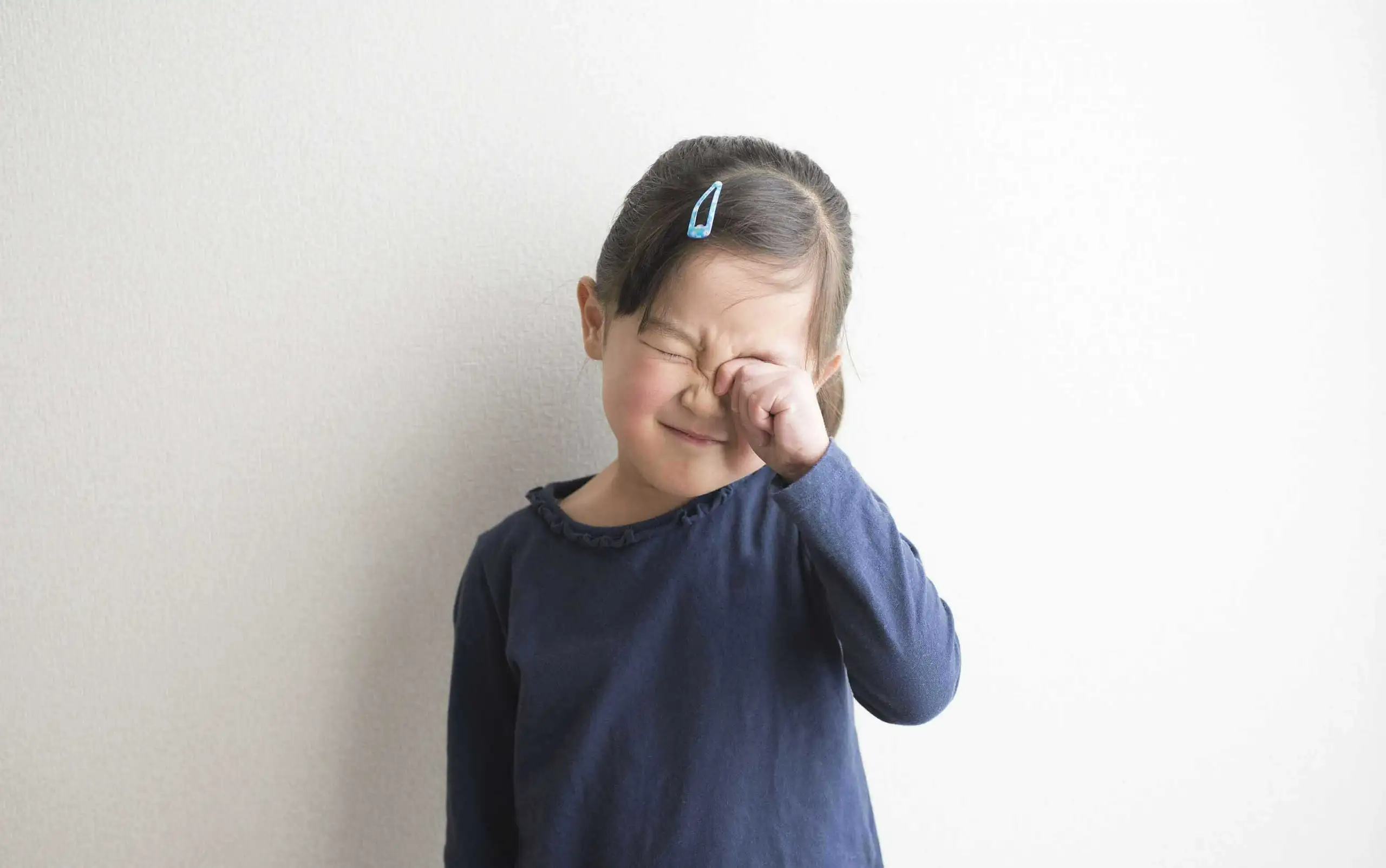
It’s 7 a.m., and your child just woke up for the day. The moment you see them, you notice the crusty eyelashes and suddenly pink, watery eyes. The warning bells are going off, and you immediately hone in on a diagnosis: pink eye.
Pink eye, also known as conjunctivitis, is incredibly common in children, especially infants and toddlers who explore the world with curious hands and little concern for germs. The good news? While pink eye is often contagious, it’s usually mild and very treatable with the right care.
Let’s walk through what pink eye is, what causes it, and how you can help your child feel better quickly and comfortably.
What Is Pink Eye?
Pink eye happens when the conjunctiva (the thin, clear tissue covering the white part of the eye and inside the eyelids) becomes inflamed. This inflammation causes the eye to look pink or red and may come with discharge or irritation.
There are three main types of pink eye in children:
Viral
Viral pink eye often travels alongside a cold or respiratory infection. It typically causes watery discharge, redness, and irritation, and may start in one eye before spreading to the other. Because it’s caused by a virus, antibiotics won’t treat symptoms or the virus. However, symptoms usually clear on their own within a week or two.
Bacterial
Bacterial pink eye is known for thicker yellow or green discharge that can cause eyelids to stick together, especially after sleep. It’s more common in young children and often requires prescription antibiotic eye drops or ointment to help it clear faster and prevent spreading.
Allergic
Allergic pink eye is triggered by allergens like pollen, pet dander, or dust. It often affects both eyes and comes with itching, redness, and watery eyes, but no thick discharge. This type isn’t contagious and usually improves with allergy management.
Pink Eye in Newborns
Newborns and infants can also develop pink eye-like symptoms, but the cause isn’t always an infection. Blocked tear ducts are common and can lead to watery eyes and mild discharge without redness. However, true infections can occur and should be evaluated promptly. If your baby shows signs of eye redness, swelling, or discharge, it’s important to contact an eye doctor right away for proper diagnosis and care.
What Causes Pink Eye in Children?
As any parent knows, kids love to explore. Unfortunately, that means more opportunities to pick up germs or irritants. Some common causes include the following:
- Touching or rubbing eyes with unwashed hands
- Sharing towels, toys, or pillowcases with an infected person
- Close contact in daycare or school settings
- Viral infections, colds, respiratory viruses, or exposure to allergens
Pink eye spreads through direct contact with eye secretions or contaminated surfaces. Viral and bacterial conjunctivitis are most contagious while symptoms are active, especially in the first few days.
Early Signs of Pink Eye in Children and Toddlers
While your kiddo might only have a few symptoms to start, here are some common ones to look out for:
- Redness in the white of the eye
- Watery or thicker yellow/green discharge
- Crusting on eyelids or lashes, especially after sleep
- Eye discomfort, itching, or frequent rubbing
- Light sensitivity or tearing
When Should You See a Doctor?
While pink eye is usually mild, some symptoms deserve prompt medical attention. Call or visit an eye doctor if your child has any of the following:
- Moderate to severe eye pain or inability to open the eye comfortably
- Noticeable changes in vision (blurriness, trouble tracking visually)
- Significant swelling around the eye or the eyelid looks red and irritated
- High fever, severe headache, or symptoms that worsen or don’t improve
- Newborns with eye discharge or redness (call your pediatrician or eye doctor right away)
At home, it’s also important to clean and disinfect shared surfaces and toys, wash pillowcases and towels in hot water, and encourage frequent handwashing to keep pink eye from spreading through the household.
How to Prevent Pink Eye
Good hygiene is your best defense, especially during cold and flu season:
- Teach and model frequent handwashing for 20 seconds
- Discourage eye rubbing; keep a soft cloth or tissues handy
- Don’t share towels, pillows, washcloths, or eye drops
- Wash pillowcases, towels, and plush toys after a known infection
- Wipe frequently touched surfaces and toys with a disinfectant
Home Care Tips for Pink Eye
If your child already has pink eye, these gentle steps can help ease discomfort:
- Gently clean away discharge with a warm, damp cloth (use a fresh spot of cloth for each wipe)
- Use cool compresses for comfort with viral or allergic cases and warm compresses to loosen crust in bacterial cases
- Encourage rest and reduce screen time if eyes feel strained
- Follow your provider’s instructions for eye drops or ointment if prescribed
- For allergic conjunctivitis, try to reduce triggers like dust and dander as much as possible
Pink Eye in Newborns: What to Know
Pink eye in newborns and infants (neonatal conjunctivitis) should always be taken seriously. While symptoms may be related to a blocked tear duct, infections can also occur and require prompt treatment. If your baby shows signs of redness, discharge, or swelling, contact an eye doctor right away to ensure proper care and peace of mind. Treatments vary from gentle saline rinses and topical antibiotics (when appropriate) to follow-up for tear duct massage or referral if a blocked duct persists. Early attention helps prevent complications.
Treating Pink Eye in Kids
Doctors determine whether pink eye is viral, bacterial, or allergic based on medical history, symptoms, and exam findings.
Treatment options may include the following:
- Antibiotic eye drops or ointment for bacterial pink eye
- Supportive care, like warm compresses for viral pink eye
- Antihistamines or allergy management for allergic pink eye
How long symptoms last, and returning to school:
- Mild bacterial cases may improve in 2–5 days and often are considered less contagious 24 hours after starting antibiotics. Viral pink eye can last longer and remain contagious while symptoms (tearing, discharge) are present.
FAQs
What should I do if my child has pink eye?
Keep them comfortable, gently clean the eye with a warm, damp cloth, practice strict hand hygiene, and call your pediatrician if you see any red flags (pain, vision change, swelling) or if symptoms worsen. If a bacterial infection is suspected, a doctor may prescribe antibiotic drops.
How contagious is pink eye in children?
Viral and bacterial pink eye are highly contagious, especially in the early stages. Allergic pink eye is not contagious.
Can my child go to school with pink eye?
Many schools require children with bacterial pink eye to stay home until treatment has started. Check your school’s policy and follow your doctor’s guidance.
Should I take my child to urgent care for pink eye?
Go to urgent care or seek immediate care if your child has moderate to severe eye pain, vision changes, severe swelling, or a high fever. For routine red-eye with mild symptoms, a pediatrician or eye doctor can often advise on next steps.
Should I stay home if my kid has pink eye?
Use symptom severity as your guide: stay home for fever, significant discomfort, or if your child can’t participate in regular activities. For contagious cases, limiting contact with others until symptoms improve or 24 hours after starting antibiotics (for bacterial infections) helps prevent spread.
How can you tell if pink eye is bacterial or viral?
Thick yellow or green discharge often points to bacterial pink eye, while watery discharge with cold symptoms is more typical of viral pink eye.
What kills pink eye on surfaces?
Clean high-touch surfaces with either a diluted bleach solution or EPA-registered disinfectant, and launder towels and pillowcases in hot water. For certain viral strains (like adenovirus), stronger disinfection and careful clinic infection control are recommended.
Key Takeaway: Pink Eye is Manageable
Pink eye can look alarming, but in most cases, it’s mild, manageable, and clears up with the right care. By practicing good hygiene and knowing when to seek help, you can keep your child comfortable and protect the rest of the family.
If your child is showing signs of pink eye or you think it’s time for a comprehensive eye exam, schedule an appointment at our office. We’re here to help little eyes feel better fast and keep those bright smiles shining.