 Skip to main content


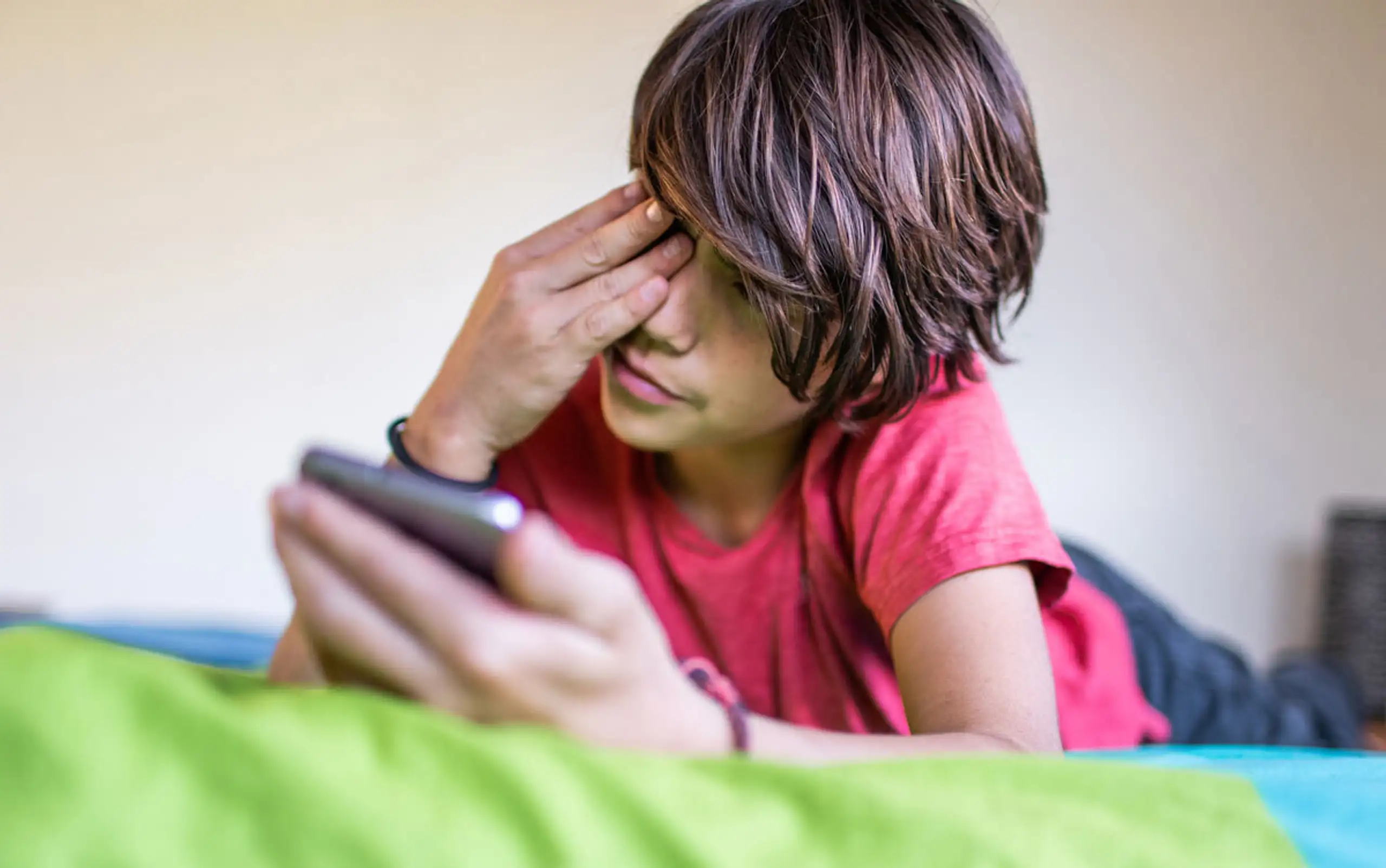
Today’s kids are growing up in a world where screens are woven into nearly everything they do, from virtual classrooms and homework apps to FaceTime with Grandma and their favorite animated adventures. It’s a beautiful thing in so many ways, but it also leaves many parents wondering: What is all of this screen time doing to my child’s eyes?
In this guide, we’ll walk through how screen time affects children’s eye health and vision, what symptoms to watch for, and the simple, doable habits that can help protect those precious peepers for the long haul.
How Screen Time Affects Children’s Eyes
Children’s eyes are still developing, which means they’re especially sensitive to the visual demands of digital devices. Unlike adults, kids often don’t recognize when their eyes are tired, so they’ll keep scrolling, tapping, and watching long past the point of comfort.
Over time, excessive screen time can contribute to everything from temporary eye strain to longer-term concerns about vision development.
What Happens to the Eyes During Screen Use
Here’s something fascinating (and a little sneaky): when children stare at digital screens, they blink far less often than they normally would. Less blinking means less moisture, which leads to dry, tired, and irritated eyes.
Eyes have to work harder to focus on pixels than they do on the printed words in a storybook, which can leave those little eye muscles feeling overworked.
When these effects add up, they create a condition known as computer vision syndrome (also called digital eye strain). For kids, this can show up as:
- Eye fatigue after homework or gaming
- Blurry vision that clears up after a break
- Headaches during or after screen use
- Trouble refocusing on faraway objects, like the whiteboard at school
Does Screen Time Actually Damage Children’s Eyes?
Most screen-related eye discomfort is temporary and goes away with rest. Screens don’t “ruin” your child’s eyes in the way some worried headlines might suggest.
However, there is a growing body of research linking excessive screen time to the progression of myopia (nearsightedness) in children. Because kids’ eyes are still developing, too many hours of up-close focus, combined with not enough time outdoors, may contribute to vision changes that stick around. The takeaway? Temporary strain is manageable. Long-term habits matter more than any single afternoon of cartoons.
Signs and Symptoms of Eye Strain from Screen Time in Kids
Many children won’t tell you their eyes hurt, either because they don’t know how to describe it or because they don’t want screen time to end. That’s why parents become the best detectives when it comes to spotting the early signs.
Common Symptoms to Watch For
Keep an eye out for:
- Red, irritated, or watery eyes
- Frequent blinking or eye rubbing
- Complaints of blurry or double vision
- Squinting at screens or books after device use
- Headaches, especially around the eyes or forehead
- Dry or burning eyes
- Difficulty shifting focus from screen to distance
A quick note: these symptoms can appear during screen use or hours afterward, so don’t rule out digital eye strain just because the tablet has been put away.
Blue Light and Children’s Eyes
Blue light is a high-energy, short-wavelength light emitted by the sun, LED bulbs, and yes, all of those digital screens your child uses every day. It’s naturally part of our environment, but the concern with screens is how close and how long kids are exposed to them.
What parents should know:
- The research is still evolving: Scientists are actively studying how blue light affects children’s developing eyes, and the jury is still out on long-term damage.
- Blue light glasses are optional: Some parents love them, but they aren’t a proven must-have. Healthy screen habits tend to make a bigger difference.
- Sleep is where blue light really flexes its muscles: Evening screen time can disrupt melatonin production, which affects sleep quality. And since rested bodies (and eyes) function better, good sleep hygiene supports eye health too.
A simple rule of thumb: power down screens at least an hour before bedtime. Your child’s sleep, mood, and eyes will thank you.
The 20-20-20 Rule: A Simple Tool for Reducing Eye Strain
If there’s one habit to borrow, let it be this one. The 20-20-20 rule is wonderfully simple:
Every 20 minutes, look at something 20 feet away for 20 seconds.
Why It Works
This tiny break gives the eye muscles a much-needed stretch, letting them relax and refocus after all that close-up work. Think of it like recess for the eyes.
How to Make It Stick for Kids
- Set a gentle timer on the device (or a fun kitchen timer)
- Turn it into a game: “What’s the farthest thing you can see?”
- Build breaks into routines, like between homework subjects or video game levels
- Model it yourself so kids see it as a normal part of screen time
How Much Screen Time Is Too Much for Kids?
Every family’s screen time rhythm looks a little different, but having general guidelines helps parents feel grounded. Here’s what experts generally recommend:
- Under 2 years: Avoid screen time altogether, except for video chatting with loved ones
- Ages 2 to 5: No more than 1 hour per day of high-quality programming
- Ages 6 and up: Consistent, family-set limits on both time and type of content
Remember, it’s not just about the quantity of screen time, but the quality and context too. Watching an educational show together as a family is a very different experience from hours of solo scrolling. Give yourself grace, and aim for balance.
Long-Term Vision Concerns: Myopia and Screen Time
Let’s talk about myopia (nearsightedness) since it’s the vision concern most closely tied to modern screen use. Research shows that children who spend more time on close-up activities (like screens) and less time outdoors are more likely to develop myopia, and it may progress faster during their growing years.
Why kids are especially vulnerable
- Their eyes are still developing, making them more responsive to visual habits
- Close-up focus for long stretches can influence how the eye grows
- Less outdoor time means less exposure to natural light, which plays a protective role
Here’s the bright side: spending time outdoors (even just a couple of hours a day) has been shown to help protect against myopia progression. Trips to the park, backyard games, and nature walks actively support your child’s vision health. If myopia does develop, early detection and management can slow its progression and keep small issues from becoming bigger ones.
Eye Exercises and Habits to Protect Your Child’s Vision
Protecting your child’s eyes doesn’t require fancy gadgets or complicated routines. A handful of small, consistent habits can go a long way toward keeping their vision healthy and comfortable, even in a screen-filled world.
Simple Eye Exercises That Can Help Reduce Strain
- The 20-20-20 rule
- Near-far focusing exercises: Have your child focus on something close (like a thumb held out in front of them), then shift to something far across the room. Repeat a few times.
- Blinking exercises: Encourage slow, full blinks to re-moisturize dry eyes, especially during long screen sessions
Healthy Screen Habits for Kids
- Proper screen distance and positioning: Screens should be about an arm’s length away, with the top of the screen at or just below eye level
- Adequate lighting: A well-lit room reduces glare and helps eyes work less hard
- Limits on gaming and TV: Built-in breaks, especially during back-to-back episodes or long gaming sessions
- Outdoor play, every day: Fresh air, sunshine, and faraway horizons are some of the best things for growing eyes
When to Schedule an Eye Exam
If your child is experiencing persistent eye strain, blurry vision, or frequent headaches after screen use, it’s time to check in with an eye care professional. These symptoms can sometimes point to underlying issues like uncorrected refractive errors, which make screen-related strain feel much worse than it needs to.
A few things worth knowing
- Regular eye exams are recommended for school-age children, generally once a year, to catch any changes as kids grow
- A comprehensive eye exam goes far beyond a school vision screening: School screenings are helpful, but they’re designed to flag obvious issues, not evaluate the full picture of your child’s eye health
- Early detection is everything: Many vision problems are much easier to manage when caught early
We’re here to make eye exams feel less like a clinical appointment and more like a friendly check-in, with kid-friendly spaces and a team that genuinely loves working with little patients.
Bright Eyes, Bright Futures
With a few mindful habits like the 20-20-20 rule, outdoor play, and regular eye exams, you can help your child enjoy their digital world while keeping their vision happy and healthy. You don’t have to be a perfect parent, just a present one who knows what to watch for.
If it’s been a while since your child’s last eye exam, or if you’ve been noticing any of the symptoms we talked about today, we’d love to see you. Find a location near you and schedule a comprehensive eye exam with a team that treats your child’s vision with the same care you do.