 Skip to main content


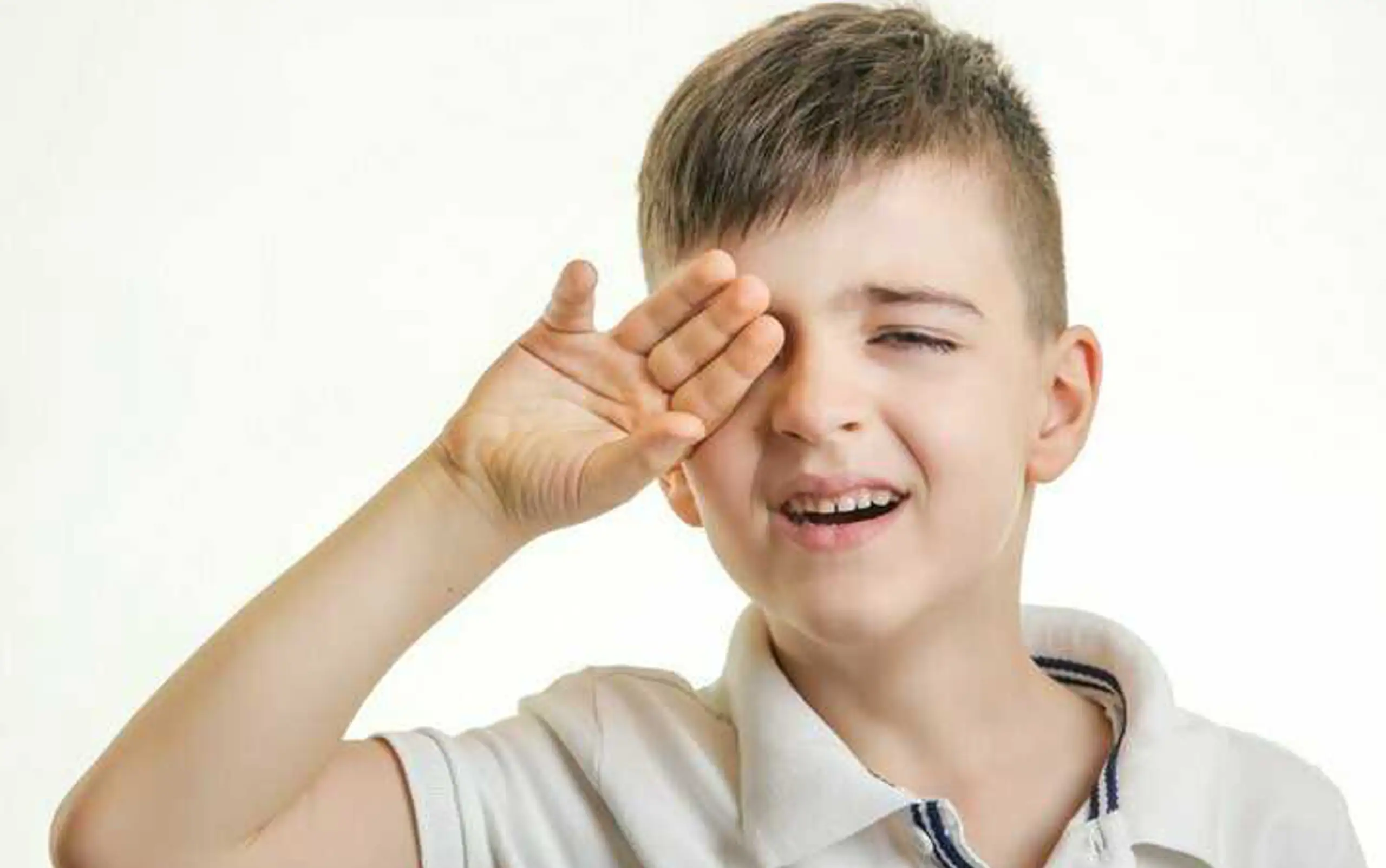
Few things stop a parent in their tracks like hearing “Mommy, my eye hurts.” Whether it’s a little one rubbing their eye at breakfast or a school-aged kiddo coming home with a complaint, eye pain in children can range from completely harmless to something that deserves a closer look from a professional.
The good news? Most causes of eye pain in kids are very treatable, especially when caught early. This guide walks you through the most common reasons your child might be experiencing eye discomfort, signs that it’s time to call the doctor, and easy at-home care tips to help keep little eyes comfortable and healthy.
Common Causes of Eye Pain in Children
Eye pain can stem from several sources. Some are as simple as a stray eyelash, others as manageable as seasonal allergies. Identifying what’s causing your child’s discomfort is the first step to figuring out the best next move.
Allergies
If your child’s eyes seem especially uncomfortable during certain seasons, allergies could be to blame. When allergens come into contact with the eye, they trigger an immune response that causes itching, redness, and irritation.
Common allergens that affect children’s eyes include:
- Dust mites
- Mold spores
- Pollen (especially in spring and fall)
- Pet dander
Over-the-counter allergy eye drops and antihistamines can offer relief for mild symptoms. For more persistent reactions, it’s worth checking in with your child’s eye care provider for a more tailored approach.
Blepharitis
Blepharitis is an inflammation of the eyelid caused by bacteria getting into the oil gland or a disruption in how the gland produces oil. It can cause redness, swelling, and a crusty buildup around the lashes. In addition, it tends to be a recurring condition, making it tricky to manage on your own.
Signs of blepharitis in children may include:
- Red, swollen eyelid edges
- Crusty or flaky skin around lashes
- A gritty or burning feeling in the eye
- Increased sensitivity to light
Because blepharitis can keep coming back, talking with a pediatric eye doctor is the best way to get a diagnosis and build a treatment plan that actually sticks.
Eye Strain from Screen Time
Kids today spend more time than ever in front of screens, including tablets, phones, televisions, and school computers. All that blue light and close-up focusing can lead to a condition called digital eye strain (also known as computer vision syndrome), and children’s eyes are especially vulnerable.
Symptoms of screen-related eye strain can include:
- Tired, sore, or burning eyes
- Blurry or double vision
- Headaches (often behind or around the eyes)
- Difficulty focusing
- Neck or shoulder tension from squinting
Following the 20-20-20 rule can help: every 20 minutes, encourage your child to look at something 20 feet away for 20 seconds. It’s a small habit that makes a big difference.
Dry Eyes or Dehydration
Dry eyes occur when the eyes don’t produce enough tears or when the tears evaporate too quickly. In children, this can be linked to excessive screen time, dry or air-conditioned environments, or simply not drinking enough water throughout the day.
Your child might be dealing with dry eyes if they mention:
- A stinging or scratchy sensation
- Eyes that feel tired despite rest
- Blurry vision that comes and goes
- Increased eye rubbing
Staying hydrated and taking regular screen breaks can go a long way. If symptoms persist, a pediatric eye doctor can recommend appropriate lubricating eye drops safe for children.
Pink Eye (Conjunctivitis)
Pink eye, also known as conjunctivitis, is one of the most well-known causes of eye pain in kids, and for good reason: it’s very common and highly contagious. It occurs when the clear membrane covering the white part of the eye becomes inflamed.
Watch for these telltale signs:
- Redness or pinkness in one or both eyes
- Watery or thick discharge (especially upon waking)
- Crusty eyes in the morning
- Intense itching or irritation
- Swelling around the eye
Pink eye can be caused by viruses, bacteria, or allergens. Because treatment varies depending on the cause, it’s best to visit your child’s eye care provider for a proper diagnosis and guidance on preventing it from spreading to the rest of the household.
Stye
A stye looks like a small, painful red bump on or near the eyelid, similar to a tiny pimple. It’s caused by a bacterial infection in an oil gland or hair follicle along the lash line.
A few important things to know about styes:
- They are contagious, so encourage your child to avoid touching or rubbing their eye
- Never try to pop or squeeze a stye—this can worsen the infection
- A warm compress applied several times a day, gently, can help speed up healing
- If the stye doesn’t resolve within a few days, or if it grows or becomes more painful, it’s time to check in with the eye doctor
Foreign Objects or Irritants
Kids are active, curious, and constantly close to the ground. It’s no surprise that tiny particles often find their way into their eyes. Dust, sand, a stray eyelash, or even a small insect can cause significant discomfort even when no injury has occurred.
Signs a foreign object may be in your child’s eye:
- Excessive tearing
- Rapid or uncontrollable blinking
- Constant eye rubbing
- Visible redness or sensitivity to light
For small, visible particles, gently flushing the eye with clean water may help. However, if the object appears to be embedded in the eye or your child is in significant pain, avoid attempting removal at home. Contact your eye care provider right away to prevent corneal damage.
Bruising
If your child has taken a bump to the face—during sports, play, or a simple tumble—swelling from a bruise can cause referred pain around the eye area. In many cases, reducing the swelling with a cold compress is all that’s needed.
That said, keep a close eye (pun intended!) on the situation. Reach out to a medical professional if:
- Your child experiences pain when you gently touch the eye socket
- The pain or swelling worsens rather than improves
- There is any change in vision
- Severe inflammation develops
Injuries to the eye area can occasionally be more serious than they appear, so it’s always better to err on the side of caution.
Sinus Pressure or Headaches
Sometimes, what feels like eye pain actually originates somewhere else entirely. Sinus congestion from a cold, allergies, or a sinus infection can create pressure around the eyes and forehead that mimics eye pain. Migraines and tension headaches in children can also present with pain that radiates toward the eyes or temples.
Look for clues like:
- A stuffy or runny nose alongside eye discomfort
- Pressure or fullness around the cheeks, forehead, or bridge of the nose
- Pain that worsens when bending forward
- Throbbing or pulsing discomfort on one or both sides of the head
If these symptoms sound familiar, addressing the sinus or headache issue, rather than treating the eye directly, is often the key to relief.
When to See a Doctor for Eye Pain
While many causes of eye pain in children are mild and manageable at home, some symptoms signal that it’s time to bring in a professional. Trust your instincts as a parent. If something feels off, it probably deserves a closer look.
Symptoms to Watch For
- Eye pain with no visible redness — this can sometimes indicate an internal issue
- Eye pain that starts or worsens at night or upon waking
- Sensitivity to light that wasn’t there before
- Any changes in your child’s vision (blurry, double, or loss of vision)
- Visible eye swelling or a bulging appearance
- Pain when your child moves their eyes side to side or up and down
When to Call a Pediatrician or Eye Doctor
- Pain that lasts more than 24 hours without improvement
- Symptoms that are getting progressively worse, not better
- A fever accompanying the eye pain (which may indicate infection)
- Visible discharge, swelling, or crusting around the eye
- Any trauma to the eye, even if it “seems minor”
- Exposure to chemicals or foreign substances
When in doubt, reaching out to your trusted eye care provider is always the right call. It’s much better to have peace of mind than to wonder.
Home Care Tips for Mild Eye Pain
If your child’s symptoms are mild and none of the red flags above are present, there are several gentle, at-home strategies that can help ease their discomfort while their little eyes heal.
Use a Cold or Warm Compress
- Cold compress: Best for reducing inflammation, swelling, or the ache of eye strain. Wrap a cold pack in a soft cloth and hold gently against the closed eye for a few minutes.
- Warm compress: Ideal for styes, mild irritation, or blepharitis. A clean washcloth soaked in warm (not hot) water applied to the eyelid can soothe and promote healing.
Always make sure the compress is at a comfortable temperature, and your child keeps their eye closed during application.
Encourage Rest and Limit Screen Time
- Schedule screen-free breaks every 20–30 minutes during device use
- Encourage outdoor play, which naturally shifts focus to longer distances
- Create a tech-free wind-down routine before bedtime
- If reading is the culprit, use good lighting and ensure your child is not holding books too close
Use Artificial Tears or Saline Drops
- Always check with your pediatrician before using eye drops in young children
- Choose preservative-free options when possible for sensitive eyes
- Avoid drops marketed to “remove redness” – these are not recommended for kids and can make symptoms worse over time
- Saline rinse drops are a gentle option for flushing out mild irritants
Prevent Further Irritation
- Encourage them to keep their hands away from their face and eyes
- Reinforce regular handwashing, especially before and after touching the eye area
- If allergies are suspected, reduce exposure to known triggers (like keeping windows closed during high pollen days)
- Make sure pillowcases and towels are clean to reduce bacteria exposure
- If your child wears glasses, keep the lenses clean
Keeping Those Bright Eyes Healthy
Eye pain in children can feel alarming at the moment, but the great news is that most causes are very treatable, especially when caught and addressed early. Whether it’s allergies, screen fatigue, a stubborn stye, or something that just needs a doctor’s eye, you now have the knowledge to take confident next steps.
Remember: when symptoms are mild, a little rest and some gentle home care often do the trick. But when something doesn’t feel right, or if any of those red-flag symptoms appear, don’t hesitate to reach out to a pediatric eye care professional. Your child’s vision is one of their most precious tools for exploring the world. It’s absolutely worth protecting.
Ready to give your child’s eyes the care they deserve? Schedule an eye exam at one of our locations today. We’re here to make sure every little one sees the world as clearly and comfortably as possible.