 Skip to main content


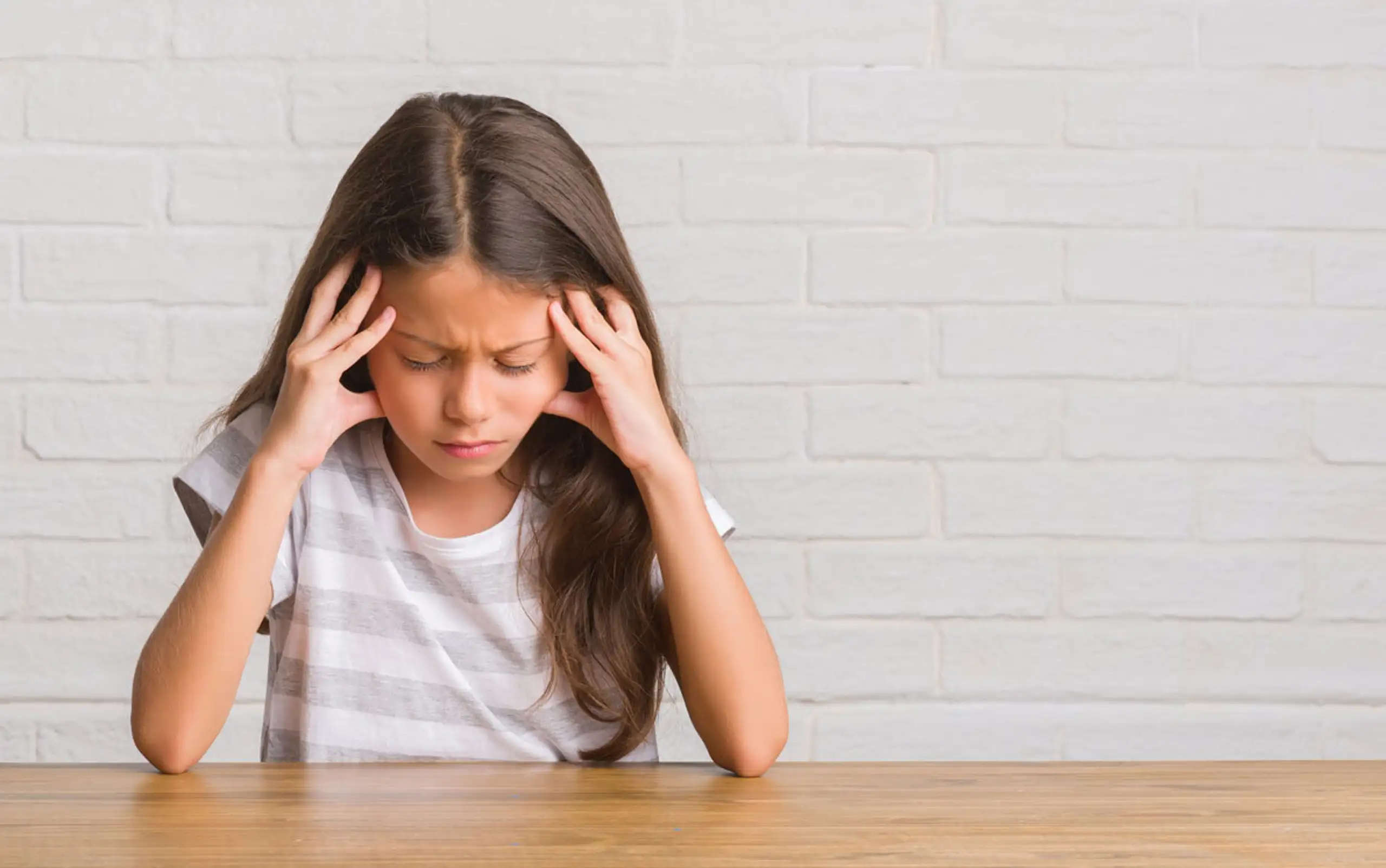
If your child has ever pressed their little hand to their forehead and said, “My head hurts,” your heart probably skipped a beat. The questions start rolling through your head like ticker tape: Did they hit their head? Have they had enough water today? When’s the last time they ate?
Headaches in children can feel confusing and even a little scary, especially when they seem to come out of nowhere. Here’s something many parents are surprised to learn: vision problems are a common, often-overlooked cause of headaches in kids.
Children don’t always have the words to explain what they’re experiencing. A headache, blurry vision, or eye pain might all feel the same to them. That’s why early and regular eye exams are so important. Catching vision issues early can mean fewer headaches, happier school days, and a whole lot less squinting while reading and doing homework.
Common Vision-Related Causes of Headaches in Children
When a child’s eyes are working overtime, headaches can follow, particularly around the forehead or eyes. Some of the most common vision-related causes include:
Refractive Errors
These happen when the eyes don’t focus light quite right, forcing them to strain to see clearly. Common refractive errors include:
- Nearsightedness (myopia): Difficulty seeing far away, like the whiteboard at school
- Farsightedness (hyperopia): Trouble focusing on close-up tasks like reading
- Astigmatism: Blurry or distorted vision at all distances
Uncorrected refractive errors can lead to headache and blurry vision, especially after school or screen time.
Eye Strain and Screen Time
Tablets, phones, and computers are part of everyday life; however, too much screen time can cause eye strain, leading to blurred vision, headaches, fatigue, or dizziness.
Trouble Focusing or Eye Teamwork Issues
Some children struggle with how their eyes work together, such as convergence insufficiency, which can cause headaches during reading or homework.
Overexertion From Uncorrected Vision
When vision problems go unnoticed, kids may squint, tilt their heads, or rub their eyes—all signs their eyes are working harder than they should.
Signs That Your Child’s Headaches May Be Vision-Related
Not all headaches are the same. Vision-related headaches often come with a few familiar clues. You might notice:
- Headaches after reading, screen use, or schoolwork
- Pain in the forehead or around the eyes
- Blurry or double vision
- Complaints of dizziness, fatigue, or eye pain
- Squinting, rubbing eyes, or tilting the head to see better
If your child is complaining of eye pain and a headache together, their vision may be part of the puzzle.
When to Schedule an Eye Exam
It’s a good idea to schedule an eye exam if:
- Your child complains of regular or recurring headaches
- You hear about blurry vision, light sensitivity, or vision changes
- Your child experiences eye discomfort or fatigue during close-up tasks
Even without obvious symptoms, children are typically recommended to have eye exams at regular intervals throughout early childhood and the school years, since vision can change as they grow. Kids don’t always realize that what they’re seeing isn’t normal.
If you’re unsure about timing, an eye care professional can help determine whether your child’s headaches may be vision-related and whether a comprehensive exam is needed. In some cases, a pediatrician may also help rule out other causes and recommend next steps.
What to Expect During an Eye Exam for Headaches
During a child’s comprehensive eye exam, the eye doctor will cover the following:
- Vision testing: Checking visual acuity, eye alignment, and overall eye health
- Questions about symptoms: Including headache frequency, timing, and triggers
- Additional assessments: If needed, to evaluate focusing ability, eye coordination, or visual strain
These steps help pinpoint whether headaches are linked to vision or if another cause may be involved.
Can Glasses or Other Interventions Help?
Yes, and very often. If headaches are caused by refractive errors, prescription glasses can significantly reduce eye strain and headache symptoms.
For eye coordination issues like convergence insufficiency, vision therapy may be recommended to help the eyes work together more comfortably. Other supportive strategies may include:
- Reducing screen time
- Improving lighting during reading or homework
- Encouraging regular visual breaks
Even small adjustments can bring noticeable relief.
When Headaches Are Not Vision-Related
Not all headaches are tied to vision problems. Other common causes include:
- Tension headaches or migraines
- Dehydration
- Lack of sleep or irregular routines
Warning signs such as sudden vision changes, severe pain, nausea, or neurological symptoms should be evaluated promptly by a pediatrician or medical professional.
Final Thoughts for Parents
You know your child best. If headaches, eye pain, or blurry vision keep popping up, it’s worth taking a closer look. Listening to your child’s complaints and scheduling regular eye exams can help uncover vision problems early – before they interfere with learning, play, or everyday comfort.
If you have concerns, schedule a comprehensive eye exam with one of our qualified eye care professionals at a location near you. Clearer vision can mean fewer headaches, better focus, and brighter days ahead – for both you and your child.